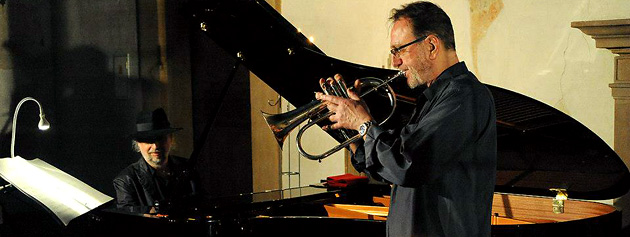
MILAN SVOBODA
Composer, conductor, band leader, jazz pianist
(hudební skladatel, dirigent, jazzový pianista)


Recenze CD:


MERGING / PROLÍNÁNÍ
Milan Svoboda, piano solo

 (CD Radioservis CRO287-2-531)

merging

JAZZPORT

http://www.jazzport.cz/

Nová deska Milana Svobody nese název Prolínání a výstižněji snad ani nazvána být nemohla. Co se tedy na desce prolíná? To poznáte hned při poslechu první skladby – je to jazz a vážná hudba.

Jarní píseň je něžný, lyrický úvod, navozující pocit jara se vším všudy. Zní lehce, jako by byla utkána z pampeliškového chmýří. Znamení střelce je mnohem dramatičtější, plné nečekaných zvratů. Počáteční pasáž je plná očekávání a napětí, to se uvolní během intenzivní střední části, která zase přechází do ležérních tónů závěru. Ani ten se ovšem neobejde bez překvapení. Stíny začínají sentimentálně, dalo by se říci lhostejně a stejné nálady se drží i v dalším průběhu skladby. Intenzita se ovšem postupně zvyšuje a objevují se první jazzové náznaky. Z vrcholu skladba klouže zpět a odevzdává se stínům. Úplně jinak zní Svobodovo téma Švestkový kompot. Hned od počátku je cítit příklon k jazzu, i když jsou stále patrné vazby s vážnou hudbou. Skladba je dramatická, nevypočitatelná a působivý je především zrychlující se závěr. Uklidnění přinášející Křížová vazba zase nutí k zamyšlení. Plnozvučný nástup má Myslím, že ano, po něm se atmosféra skladby uvolňuje a zase napíná. Zní střídavě hravě a výhružně, ve střední pasáži téměř osudově a efektně zakončuje první polovinu alba.

Druhou částí koncertu je Svobodova skladba Prolínání, která je zde v šesti variacích. Nepřetržitých třicet minut hudby začíná křehkým, jemně znějícím preludiem, po kterém následuje, pokud se to tak dá říci, nejjazzovější část, nazvaná Modrá linka. Svoboda si opět pohrává s tématem Prolínání, tentokrát však potměšile. Zrcadlení je variace depresivní, narozdíl od následující Vzpomínky, která zní spíš nostalgicky. Předposlední Vzpoura, krátká ale intenzivní skladba kontrastuje se závěrečnou Dobrou zprávou. Ta je optimistickým a nadějným závěrem.

Svobodově technice se nedá nic vytknout, snad jen drobná chybička v šesté skladbě. Ovšem těžko říct, jestli to skutečně chyba byla. V neopakovatelnosti je kouzlo živých koncertů a jazzu. Album je určeno spíše zkušenějšímu posluchači. Pokud Vás oslovuje vážná hudba a nebráníte se ani jazzu, přeji příjemný poslech.

-- Jakub Fabián
Rating: Four Stars

----------------------------------------------------------------------------------------------------------------------------------

A piano solo concert is always a very hard challenge for any jazz player. What does the audience expect from it? The artist's popular repertoire? Listening to standard themes? Or maybe what is expected is something completely different and new, something never heard before?
Actually the piano solo recital has its own history in jazz, a necessary inference that anyone stepping on stage has to deal with while curtain is opening; a floating history where many circumstances, trends and events flow into. I think that we all do agree saying that Keith Jarrett has a particular place in this history, considering that he did draw two main directions in executing piano solo concertos: the first drawn by his unforgettable performance in Cologne, the other one by the work titled "Facing you" (recently reprised in his last work "Radiance"). What he did in Koln is unique: total and free improvisation starting from embryonic musical cells and sailing across a wide open sea comparable to the troubled waters of the "stream of consciousness". His defiance consists in developing these cells until their extreme consequences, until an ideal and triumphant "deadline". From magma to matter, we could say. On the other hand "Facing you" celebrates the primary role of the song: an existing and developed theme is taken in order to be reprised, de-mounted and mounted up again, or to be just suggested and evocated by instantaneous hints. From matter to magma. The most evident difference between these two opposite ways of approaching solo recitals lays on the last of the tracks: in the Koln concert every track needs 20-30 minutes to be developed and come to conclusion. In "Facing you" this requirement is not needed, on the contrary it's almost rejected.

In his solo recital Milan Svoboda seems to follow this second way (the "Facing you" way): in fact he proposes a program of his own compositions, themes and songs that he faces with an uncommon mastery of the instrument and alternating between moments of "theme introduction" and moments of pure improvisation.
But what I find extraordinary about this programmatic purpose is that in the overture (Spring Song)  and in the middle of his perfomance, while playing the beautiful aria of Prolínání-Variace as introduction of the variations suite, he clearly cites Jarrett, or better the "Koln-Jarrett". This contradiction is outward. The truth is that Milan Svoboda's wealth of experiences and knowledge always leaves place to his talented originality.

Is this whole piano recital a tribute to Jarrett? Of course it's not. Actually the range of evocated influences is impressive: from Jarrett to Bley passing through Oscar Peterson (not mentioned if we're considering the repertoire, but evocated in my opinion by the pure joy in playing piano without intellectual excesses); but even classical echoes can be recognized, especially of our contemporary music: Bartok, Stravinsky, Schrjabin.
His own compositions (which structure is "modal") and his will of freedom in improvising on them are "merged" in a very original way. The real little miracle of Svoboda's performance consists in remaining Milan Svoboda himself during his "merging" operation. And that's possible because of his and education: Milan Svoboda, born in Prague in 1951, is a composer, a conductor, a big band leader: a critical side of his soul that leaves a deep mark over the Rudolfinum performance. His ability in alternating and balancing different figures, from ostinato to adagios movements, from crescendo to diminuendo rhythmic figures can be only considered as the ability of someone who is used to conduct, arrange and lead a band, keeping always in mind the different scores of each component. Furthermore what is really exciting of this album is Milan Svoboda's technique: his sensitivity of touching is incredible and allows him to change register in a natural and effective way. And exactly these jumps from a register to another without losing sight of the sense of each composition are what I appreciated most.

~ Giorgio Bianchi

http://www.jazzport.cz/index.php?option=com_content&task=view&id=319&Itemid=50

xxxxxxx


HARMONIE - hudební časopis:

Recenze na CD Prolínání